


Our credit score is a key factor in your financial health. It reflects your creditworthiness and directly impacts how much you can borrow, the interest rates you receive, and the fees you may pay.
Your score is calculated based on your credit report, which includes:
➤ Payment history
➤ Total debt owed
➤ Length of credit history
➤ Types of credit used
➤ Frequency of credit applications
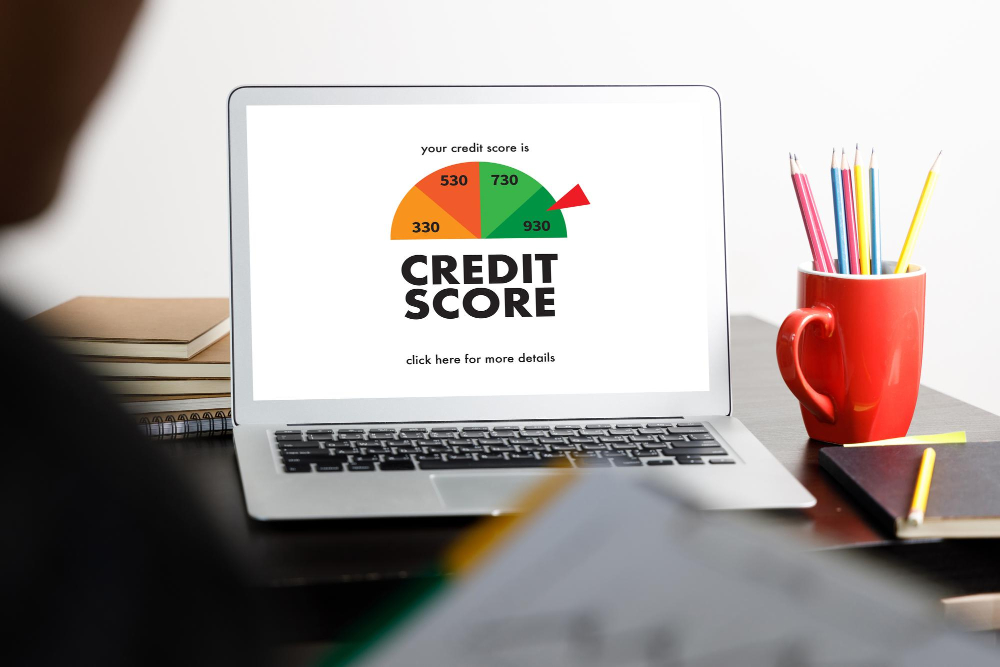
In Canada and the U.S., most lenders rely on the FICO credit score system (300–900).
- Higher scores improve your chances of mortgage approval and secure you better loan terms.
- Lower scores make borrowing more difficult and costly.
Example:
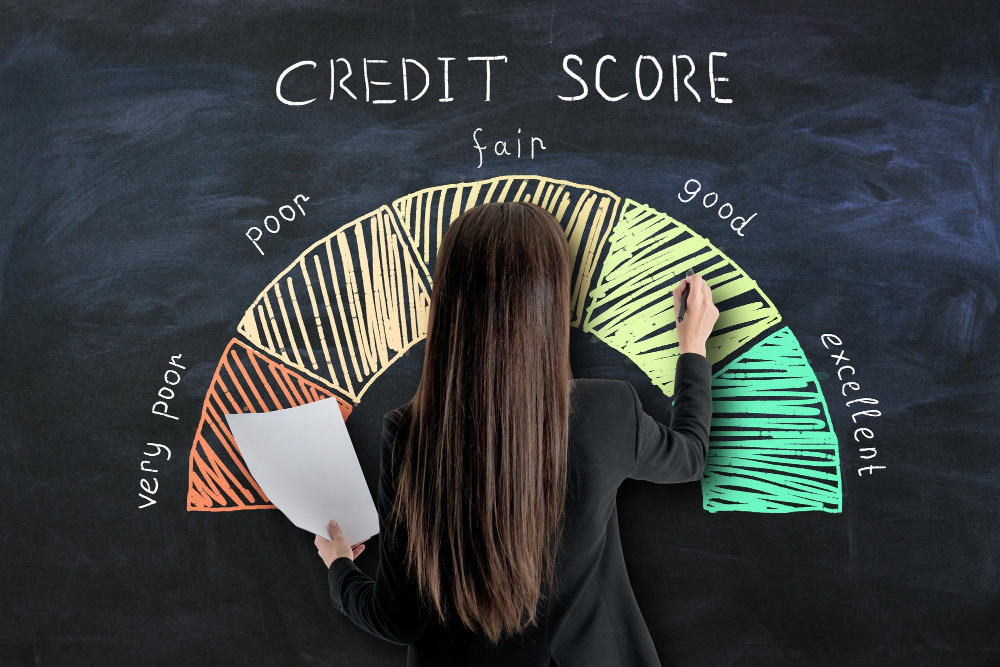
- With a score of 750+, you could qualify for a mortgage with a lower interest rate and smaller down payment — saving you thousands over time.
- With a score below 600, you may face higher rates, larger down payments, and increased monthly costs.
Would you like me to also shorten this into a punchy, infographic-style version for quick reading, or keep it detailed for an article/blog?

Key Factors That Affect Your Credit Score
1. Defaulting on a Loan
The most damaging factor — a default can remain on your credit report for up to 7 years.
2. Late Payments
Even a single missed payment can cause a significant drop in your score.
3. Credit Utilization
Aim to keep balances below 30% of your credit limit to demonstrate responsible usage.
4. Credit Applications
Multiple “hard inquiries” within a short period can signal higher risk to lenders.
5. Closing Credit Accounts
This reduces the length of your credit history, which may negatively impact your score.
Tips for Maintaining a Healthy Credit Score
✅ Make timely payments – Paying your bills on time is the cornerstone of good credit. Set up reminders or autopay to stay on track.
✅ Manage your credit utilization – Keep your balances low by using less than 30% of your available credit. This shows lenders you’re responsible.
✅ Be mindful when applying for new credit – Only open new accounts when necessary. Frequent applications can lower your score.
✅ Review your credit report regularly – Check for inaccuracies and dispute any errors to keep your report clean and accurate.
✅ Establish a solid credit history – A longer credit history strengthens your score. If you're just starting out, a secured credit card can help build your profile
Steps to Rebuild or Improve Your Credit
Review Your Credit Report
Request a free copy from Equifax or TransUnion. Examine it closely and dispute any errors to ensure your report reflects accurate information.
Reduce Outstanding Debt
Paying down balances lowers your credit utilization ratio—a key factor in boosting your credit score.
Budget and Pay Promptly
Use a budgeting app or spreadsheet to organize your expenses. Prioritize bills and make payments on time to build a reliable payment history.
Get Expert Support
If debt feels unmanageable, reach out to a certified credit counselor or financial advisor. They can help you create a personalized plan to rebuild your credit with confidence.
Would you like this adapted for a visual layout, like a flyer or onboarding screen? I can also offer alternate tones—friendly, formal, or even conversational.
CONTACT ME
Have a question or need assistance? Reach out to me and I'll get back to you as soon as possible.

Orion Property
Any Street, Toronto, ON

© 2026. ORION All rights reserved. Information is deemed reliable but not guaranteed. Sourced in part from the Toronto Regional Real Estate Board (TRREB). Provided solely for consumers with a bona fide interest in the purchase, sale, or lease of real estate. Unauthorized use, reproduction, or distribution is strictly prohibited.